Featured Corner
Amphetamines
Amphetamines are powerful stimulants. They improve the synaptic activity of two important...

Xanax Addiction
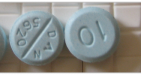
Xanax is a benzodiazepine the central nervous system.It is generally prescribed to indivi...



This is one of the most robust and informative sections of our website. Readers will find a tremendous amount of information about the most used and abused drugs in the world. The guides are broken down into seven sections. Individuals will find basic information about each of the following drugs; cocaine, heroin, amphetamines, marijuana, ecstasy, Ketamine, LSD, mushrooms and prescription medications. Particularly we will look at the dangers associated with their use, potential for addiction, what happens when they are mixed with other substances, a brief Q&A section, information about legality and then a concluding summary. Below, is a more detailed break down of the drugs guides presented in this section.
Basics: Here, readers will find background information on drugs. This might include information such as the drug’s classification, what types of people most often use it and its origin, amongst other things.
Summary: The summary is an overview of the drug. Individuals should read this section if they are in a hurry but still need information about a particular drug.
Addiction: Readers will find information concerning the addictive potential of the drug. Some drugs are much more addicting then others. There are substances which are physically addicting, psychologically addicting and still others that are both. Knowing which can help one steer clear of certain drugs.
Dangers: Most people are well aware that there are dangers associated with drug use. However, some drugs have very specific dangers, for example, people who abuse heroin are at risk for developing heart abscesses.
Questions and Answers: We answer five commonly asked questions about each drug.
Mixing: Mixing drugs can be incredibly dangerous. In this section, we discuss particularly risky and even lethal combinations. Because there are so many potential mixtures, we couldn’t possibly list them all nor their potential effects. Therefore, it may be important to speak with a drug counselor if you have any questions on this subject.
Legality: Here, we discuss whether or not a particular drug is legal. Not every drug that one become addicted to are illegal. Many people suffer from dependencies to prescription drugs, which are of course legal if prescribed by a physician.
We have created a variety of guides covering many major drugs, including cocaine, heroin, amphetamines, marijuana, ecstasy, Ketamine, LSD, mushrooms and prescription medications. Our aim is for readers to benefit from our research and compilations so that they are well informed about drugs either they or someone they know use or are addicted to. Many times, knowledge can be the springboard to a new life. Hopefully, everyone that comes across this site will have a better understanding of these drugs so that they know what they are up against and subsequently, receive the necessary care and treatment to get clean.

In this section of our website, users will find a vast...

Users will be able to find nationwide listings of addi...

Persons looking for a local drug and alcohol detoxific...

Some individuals are so severely addicted to a substan...

Individuals looking to locate halfway houses & sober l...

Individuals in need of drug and/or alcohol related hea...

Our database includes a vast number of mental health &...

We have compiled an extensive listing of outpatient dr...